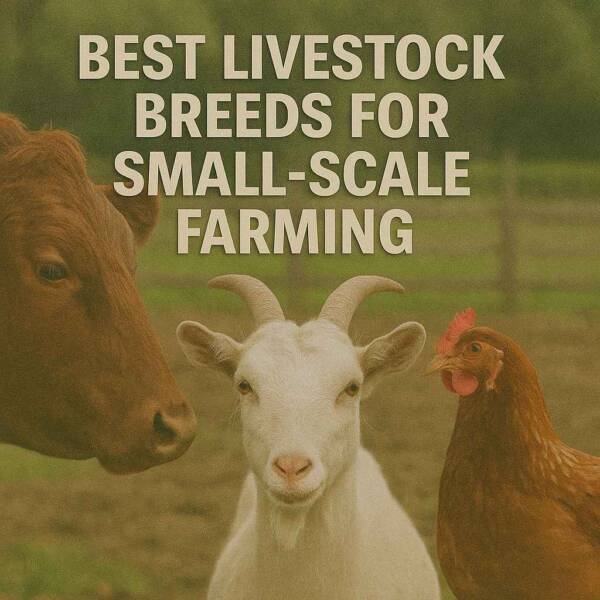
It focuses on using organic practices to produce crops and animals without synthetic chemicals.
Starting and maintaining an organic farm requires careful management and sustainable techniques.
The Basics of Organic Agriculture
An organic farm is a system where crops and livestock are grown using natural techniques.
Core principles of an organic farm:
- Using compost, manure, and natural amendments
- Crop rotation and diversity
- Using beneficial insects and companion planting
- Providing natural diets and outdoor access
By following these practices, organic farms support sustainable agriculture.
Why Choose Organic Farming?
Choosing organic methods reduces pollution.
Why farmers choose organic methods:
- Rich in nutrients and microbial life
- No harmful residues in food
- Supporting pollinators and wildlife
- Access to premium markets
Organic farming is more than a method—it’s a way to meet modern consumer demands.
Steps to Build an Organic Agriculture Business
Whether you’re growing vegetables, raising livestock, or both, you need to invest in sustainable practices.
Key actions to take:
- Understand local and national standards
- Prepare the land organically
- Protect soil and prevent disease
- Ensure certified and traceable sources
Starting with the right foundation ensures your farm will meet certification requirements.
Challenges of Organic Farming
Managing an organic farm can be less predictable compared to conventional agriculture.
Common challenges include:
- Using cover crops and manual removal
- Pest control using natural methods
- Keeping organic matter levels high
- Meeting organic certification standards
Overcoming these challenges requires more info creative solutions to everyday problems.
Marketing Organic Farm Products
Marketing is a key part of running a successful organic farm.
How to promote your organic farm:
- Farmers’ markets and local events
- Sharing your farm’s story
- Creating a consistent customer base
- Retail partnerships
By building a strong brand and connecting with the community, your organic farm can maintain financial stability.
The Future of Organic Farming
Technological advancements and changing regulations are opening new opportunities.
Future trends include:
- Using data to optimize production
- Adapting to changing weather patterns
- Reducing reliance on large retailers
- Building consumer trust through authenticity
Staying ahead of these trends will help organic farmers remain competitive.
Conclusion
Organic farming offers a way to promote health.
By following eco-friendly methods and engaging with your community, you can enjoy a profitable and meaningful business.