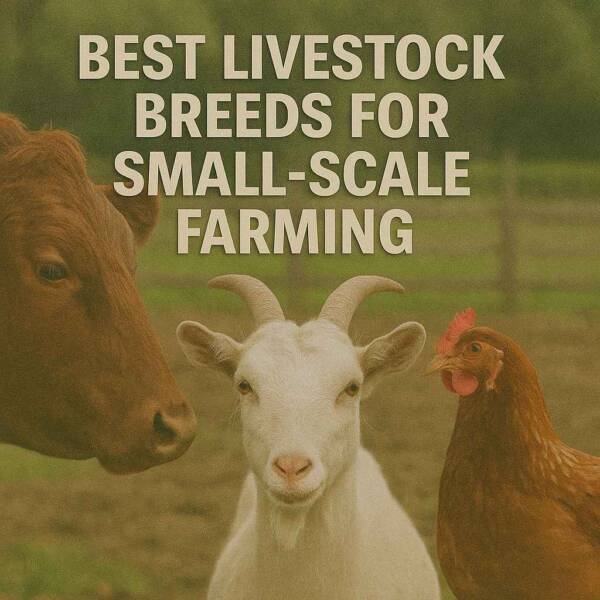
It focuses on using organic practices to produce crops and animals without synthetic chemicals.
Organic farming is becoming more popular as consumers seek eco-conscious food options.
Understanding Organic Farming
An organic farm is a agricultural practice where crops and livestock are grown using organic methods.
Key features of organic farming include:
- Using compost, manure, and natural amendments
- Preventing pest buildup and soil depletion
- Using beneficial insects and companion planting
- Raising livestock humanely
By following these practices, organic farms contribute to healthier ecosystems.
Why Choose Organic Farming?
Organic farming offers valuable advantages to both the environment and human health.
Why farmers choose organic methods:
- Rich in nutrients and microbial life
- No harmful residues in food
- Maintaining ecological balance
- Selling directly to health-conscious consumers
Organic farming is more than a method—it’s a way to meet modern consumer demands.
Steps to Build an Organic Agriculture Business
Starting an organic farm requires a clear strategy.
Key actions to take:
- Research organic certification requirements
- Prepare the land organically
- Protect soil and prevent disease
- Ensure certified and traceable sources
Starting with the right foundation ensures your farm will meet certification requirements.
Challenges of Organic Farming
Managing an organic farm can be more labor-intensive compared to conventional agriculture.
Key difficulties to consider:
- Weed management without herbicides
- Implementing IPM strategies
- Replacing chemical fertilizers with compost
- Maintaining compliance year-round
Overcoming these challenges requires a commitment to eco-friendly practices.
Marketing Organic Farm Products
Consumers are often willing to support sustainable practices, but they need to know your products exist.
Effective marketing strategies include:
- Building personal relationships with buyers
- Social media and online presence
- Delivering fresh produce regularly
- Offering unique and high-quality products
By building a strong brand and connecting with the community, your organic farm can reach loyal customers.
Trends Shaping the Organic Industry
As consumer interest in sustainability rises, organic farming is set to expand.
Innovations and changes on the horizon:
- Precision agriculture and organic tech
- Adapting to changing weather patterns
- Reducing reliance on large retailers
- Green certifications and labeling
Staying ahead of these trends check here will help organic farmers meet modern expectations.
Final Thoughts on Organic Farming
Whether you’re just starting or looking to expand, the commitment to organic practices brings both challenges and rewards.
By following eco-friendly methods and engaging with your community, you can make a difference in the food system.